


Sound (4/4)
SOUND (4/4)
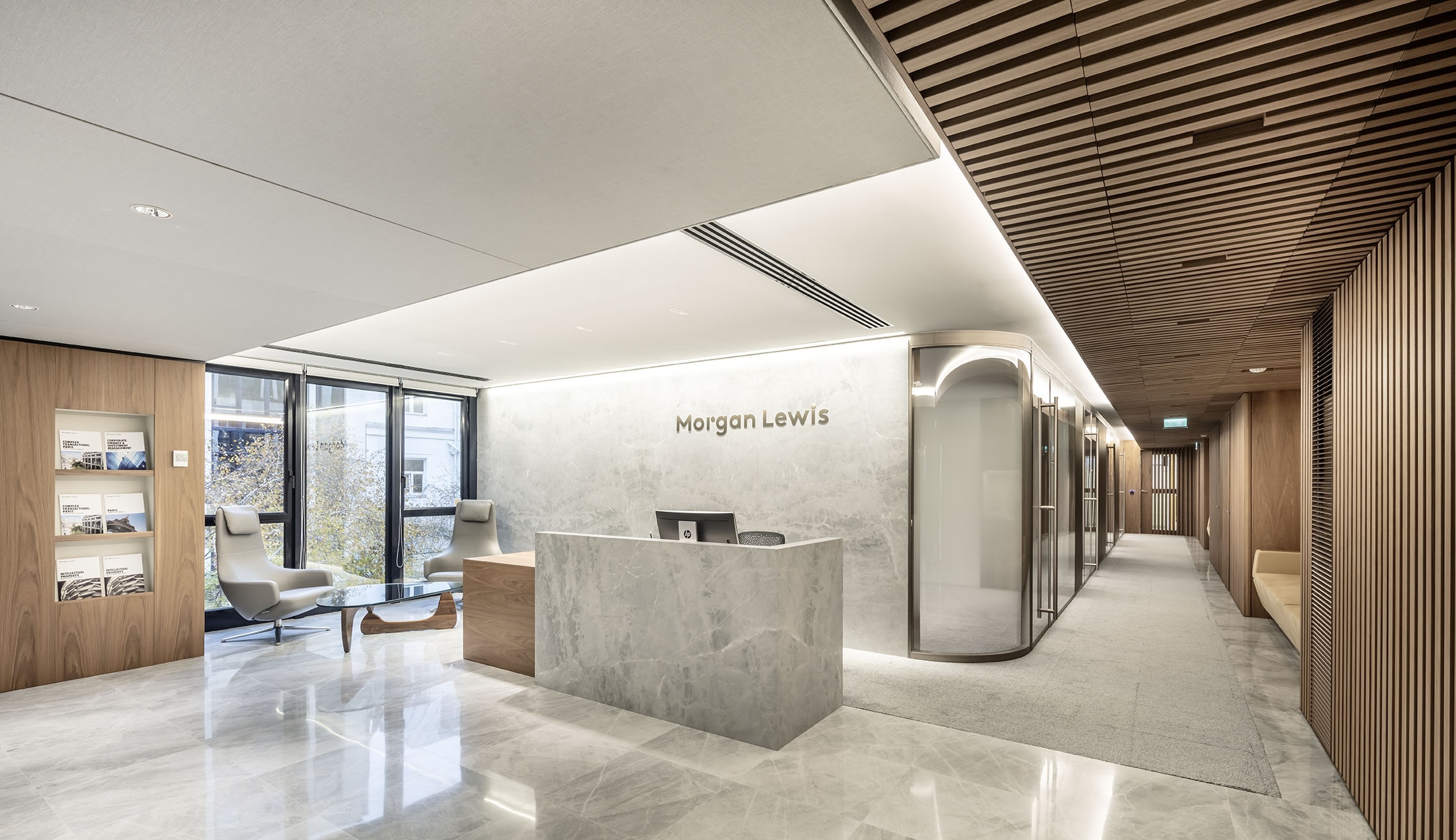
Light, volume, views, sounds... these are the "raw materials" to which we now devote much more time and attention at every stage of the design process. We will be discussing them with you over the coming weeks and look forward to your feedback and contributions. Sound (4/4).
The most immediate reflex when it comes to interior design and sound is to combat it by any means necessary: muffling it, isolating it, lowering it, confining it, boxing it in... Thick partitions, surface coverings—walls, dividing panels, floors, ceilings—or their lining, soundproofing, and distancing from noise sources are the usual arsenal of responses to what is considered the worst nuisance in the workplace. Because, even if everyone's sensitivity varies, especially to the noise of others, a quiet conversation in an open-plan office or a phone call with headphones on in a busy environment, the hum of the coffee machine or photocopier... quickly cause annoyance and then exasperation.
So, yes, preserving silence and the ability to concentrate when users really need it is an undeniable requirement that the project must guarantee wherever and whenever it is expressed. However, this obvious requirement is often extended excessively in office design to all spaces, and by imitation to social and relaxation areas. However, in any form of social life, noisier or simply louder moments and places alternate and coexist with quieter ones. Everyday professional life should not be confined to a muffled acoustic ideal. Lively exchanges and bursts of collective laughter have their place. Contrasts can be sought here in a controlled manner: mineral or parquet flooring, resonant lounges for morning coffee or festive events, musical ambiance, open windows and rooftops breathing in the sounds of the city! All that remains is to put as much energy and knowledge into restoring sounds in the office as into eliminating them.