

Making volume
Making volume
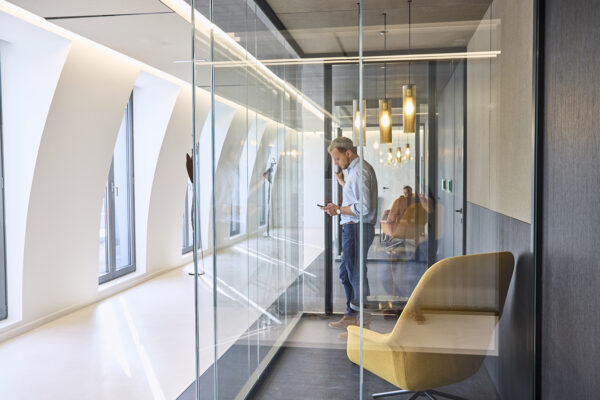
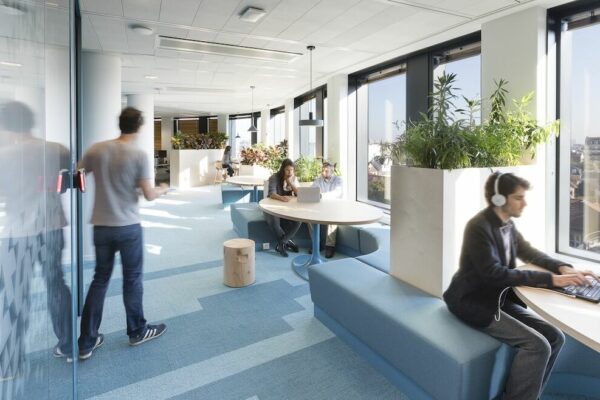
The 2D vision of space planning, or the advantageous interior perspectives to which our customers are accustomed to being confronted without alternative, offer skewed representations of existing and projected volumes. But volume is the raw material of our design work. It is both a source of constraint and inspiration, of prime importance in both cases.
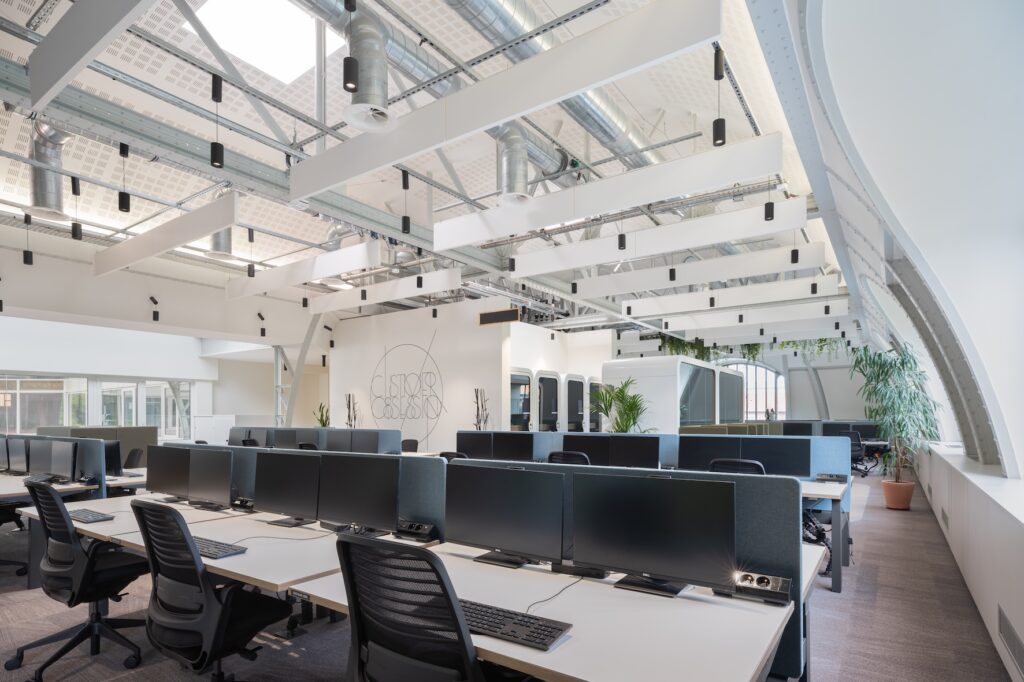
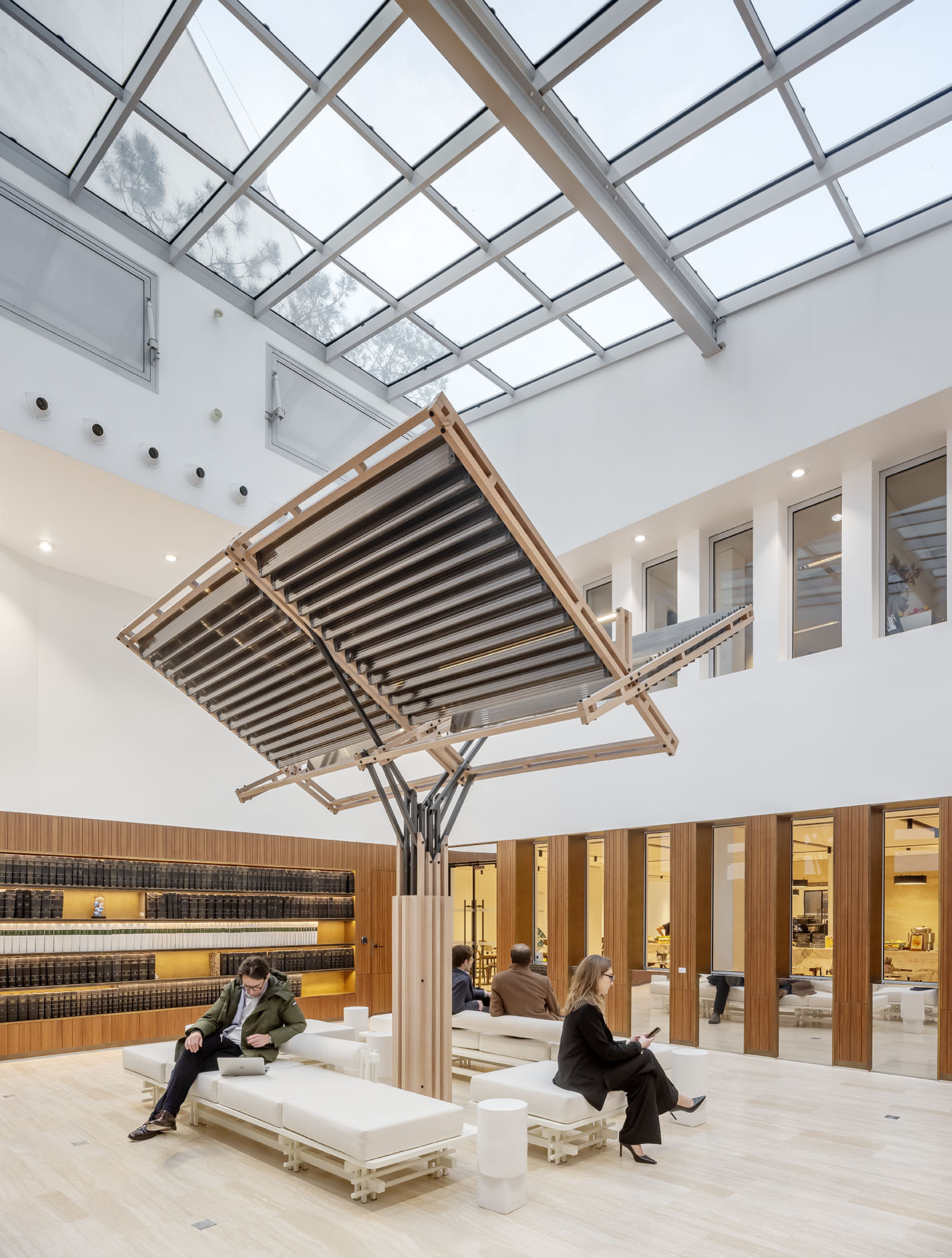
While it's possible to "push the walls out", as the saying goes, ceilings and floors offer much less room for manoeuvre, especially in contemporary construction where false ceilings and floors are the norm. And yet it's between the two that the quality of use and well-being of a space depends, sometimes just a few centimetres away. Colors, materials, lighting... from time immemorial, designers have used artifice to give greater scope to constrained volumes. Interior architecture undoubtedly unconsciously incorporates these low heights as an inescapable challenge, pushing the designer to his own limits. This is a mistake. Whenever materially possible, we must seek out those few centimetres at our feet or above our heads that increase volume or the feeling of volume tenfold: it's an incredible source of air!
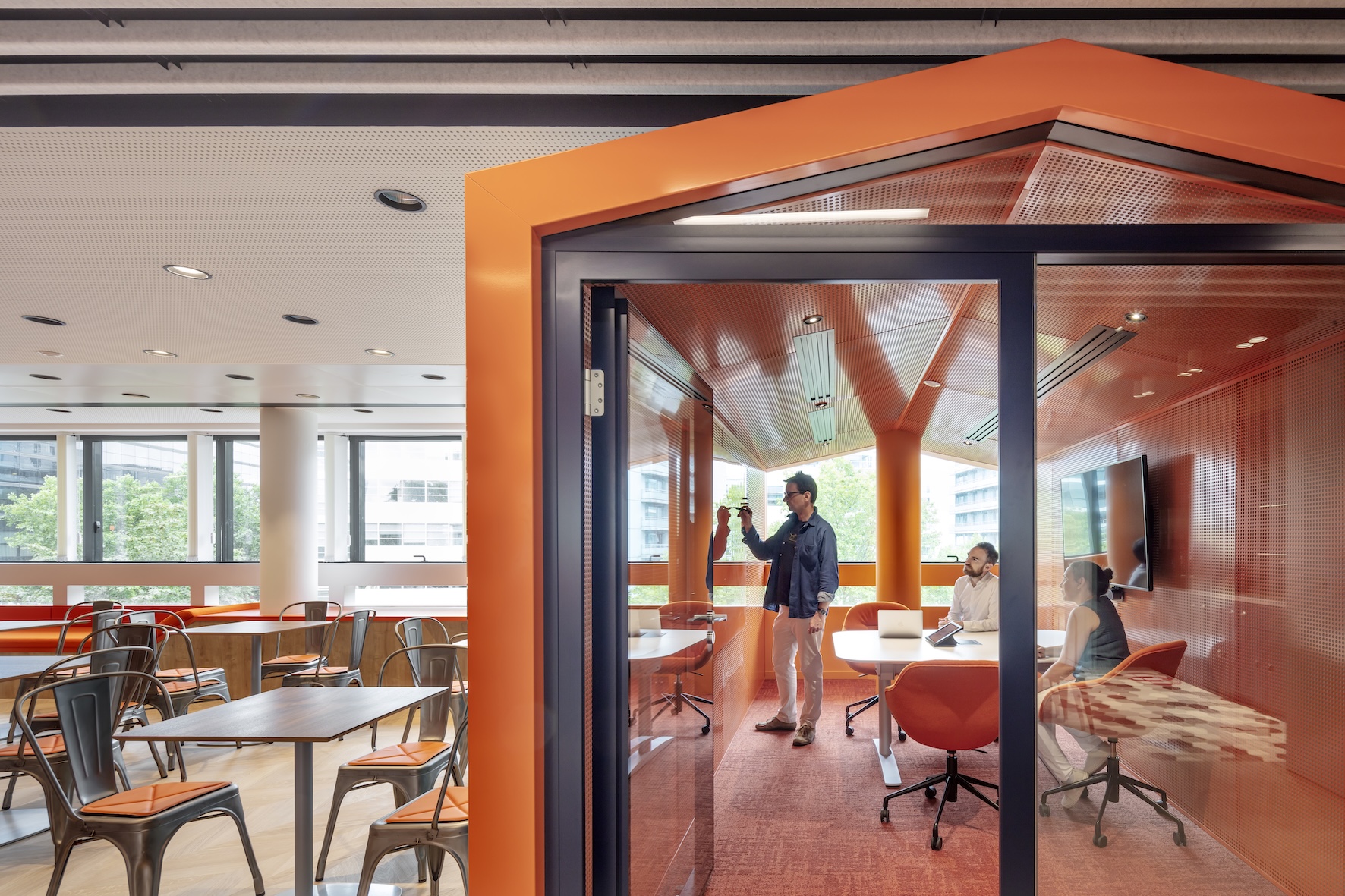
However, local standards encourage owners to install false ceilings, which are supposed to enhance the space. Anglo-Saxon landlords, adept at the shell and core approach, prefer to offer raw volumes, letting the tenant decide on the ceiling height. This avoids starting a project with the removal of new tiles, which is an ecological and economic aberration and an absurd waste of time. All the more so as, in some cases, the bare slab, with all its cabling and technical equipment, can be left exposed. Even in sophisticated tertiary spaces.
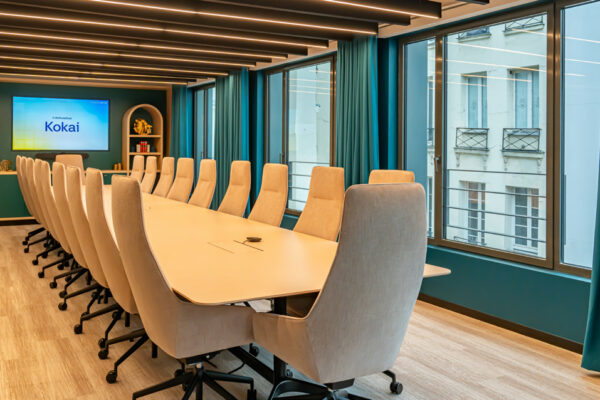
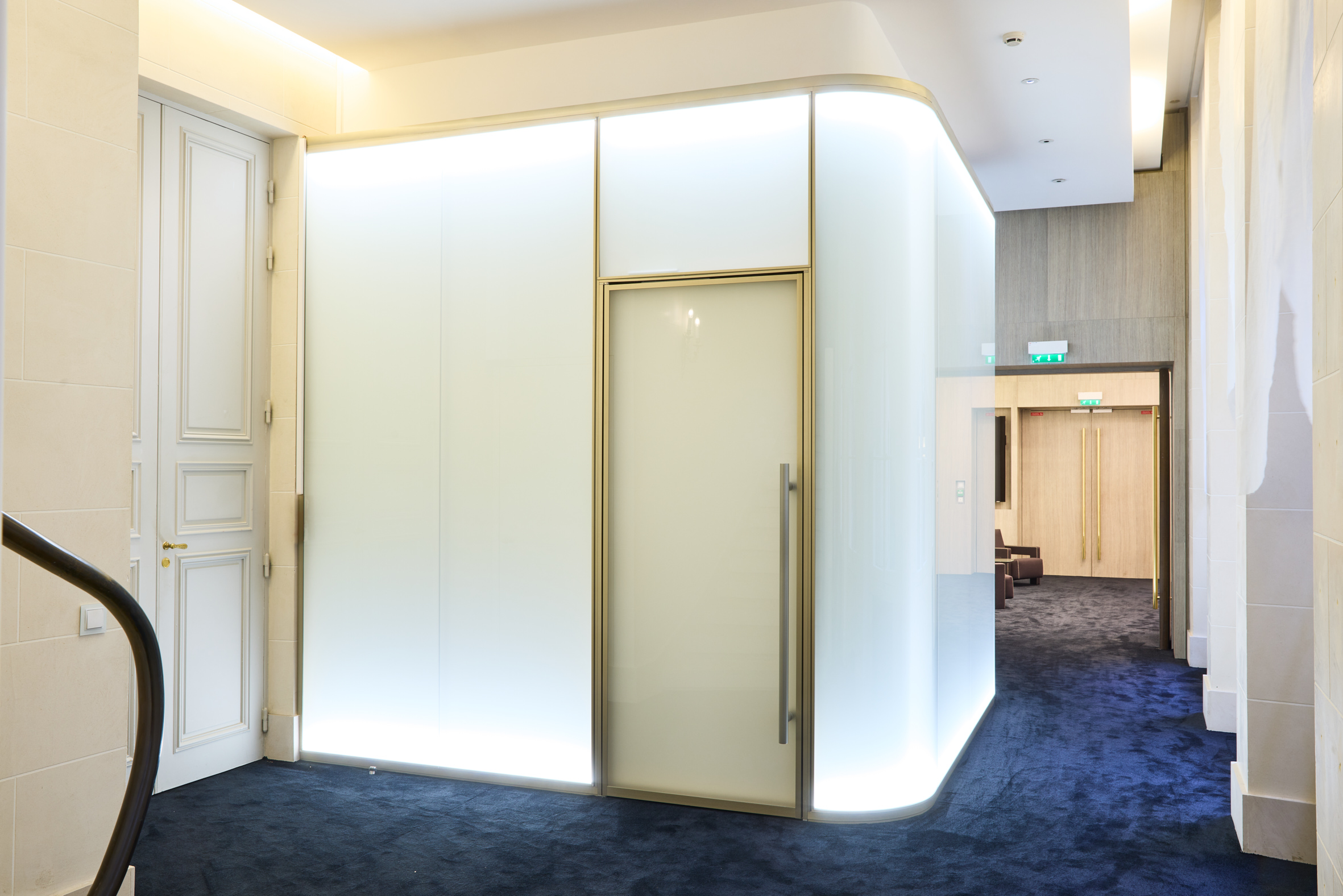
On the other hand, we sometimes take on "squashed" volumes without dedicating them to subaltern uses or desperately trying to artificially enlarge them. This anomaly with regard to norms and customs is worth its difference. It's often in this type of space that users like to meet up or isolate themselves. It's just the way it is.